

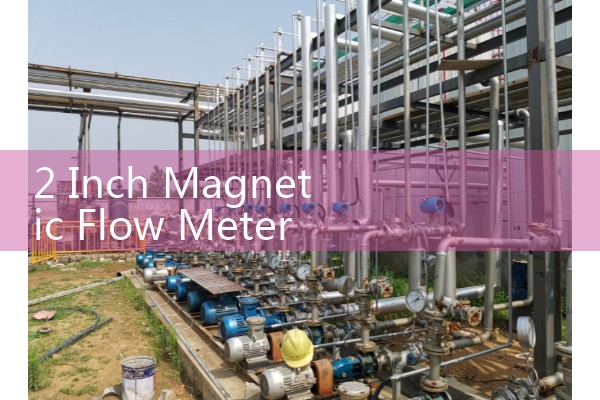
『2 Inch Magnetic Flow Meter: Unobstructed Inline Inductive Sizing Manuals』Related information(flow rotameter|digital flow meter|balo meter|hydraulic flow meter|volumetric meter|positive displacement meter|pitot tube flow meter|displacement meter|cfm meter|variable area flow meter|inline flow meter|differential pressure flow meter|calibrated flow meter|velocity meter|paddle wheel flow meter|oval gear flow meter|anemometer hvac|multiphase flow meter|doppler flow meter|thorpe tube flowmeter|heat flow meter)

2 Inch Magnetic Flow Meter: Unobstructed Inline Inductive Sizing Manuals
Quick Answer: A 2 inch magnetic flow meter is a DN50 inline inductive flow meter with no moving parts and no obstruction in the pipe. In practice, this size fits many water, wastewater, chemical, and food lines with flow ranges from 3 to 100 m3/h depending on velocity. Use the sizing steps below and send your pipe size, flow range, pressure, and temperature to Silver Instruments for a quote.
What Does Unobstructed Inline Inductive Mean on a 2 Inch Meter?
For a 2 inch magnetic flow meter, the term unobstructed means the sensor bore matches the pipe inner diameter. There is no orifice, no vane, and no moving part inside the tube. The only wetted parts are the liner and the electrodes. Inductive refers to the measurement principle. The meter generates a magnetic field and measures the voltage created by the conductive liquid moving through that field. This gives you a volumetric flow reading without creating the pressure drop you would see in a turbine or vortex meter.
In practice, most engineers choose this style for dirty water, sludge, chemicals, and food products because the pipe stays open. A water utility in Vietnam replaced a clogging mechanical meter with a DN50 magnetic flow meter on a sludge return line. The clogging problem disappeared after one week. We have seen this on customer sites many times.
Sizing a 2 Inch Magnetic Flow Meter in 5 Steps
Step 1. Check the liquid conductivity. A standard magnetic flow meter needs a minimum conductivity of 5 µS/cm for water and 20 µS/cm for some industrial fluids. Pure oils, pure hydrocarbons, and demineralized water without added conductivity will not work.
Step 2. Verify the flow velocity. For DN50, the practical velocity range is 0.5 m/s to 10 m/s. Lower than 0.5 m/s creates unstable readings. Higher than 10 m/s shortens liner life. Most 2 inch meters handle 3 to 100 m3/h in this range. Flow rate equals velocity times pipe cross sectional area.
Step 3. Match the liner and electrode to the process. For wastewater, use hard rubber or PTFE with 316L electrodes. For acid or caustic chemical, use PTFE or PFA lining with Hastelloy C electrodes. For food and beverage, use PTFE with 316L electrodes and a sanitary tri clamp connection if required.
Step 4. Confirm pressure and temperature. Standard DN50 meters from Silver Instruments cover PN16 or ANSI 150 class flanges. Temperature limits depend on liner. PTFE works from minus 20 °C to 150 °C. Hard rubber works from 0 °C to 80 °C. Send us your pressure in bar and temperature in Celsius so we can check the right model.
Step 5. Pick the output and power. Most plants use 4-20 mA HART plus pulse. Some add RS485 Modbus for remote totalizing. Power options are 24 V DC or 220 V AC. If you have a PLC or SCADA system, specify the signal type before ordering.
Key Specifications for 2 Inch Magnetic Flow Meters
A typical DN50 magnetic flow meter from Silver Instruments has an accuracy of 0.5 percent of reading for flow velocities above 0.5 m/s. Optional 0.2 percent accuracy is available for custody transfer or batch control. The measuring tube is flanged with ANSI 150 or DIN PN16 connections. Wetted materials are selected from PTFE lining, hard rubber lining, 316L electrode, Hastelloy C electrode, and titanium electrode.
Electrical outputs include 4-20 mA HART, pulse, frequency, and RS485 Modbus. The transmitter enclosure rating is IP67. Some models carry ATEX Zone 1 certification for gas or dust areas. The display shows flow rate in m3/h, total flow in m3, and diagno
Installation Notes and Manuals Summary
The 2 inch magnetic flow meter needs a straight run of at least 5 pipe diameters upstream and 2 pipe diameters downstream. Keep the pipe full of liquid at all times. Do not install the meter at the highest point of a pipe where air can collect. Ground the sensor correctly for chemical and wastewater lines because poor grounding causes unstable readings or noise. If the pipe is metal, connect the ground ring to the pipe. If the pipe is plastic, order a grounding ring or grounding electrode.
For bidirectional flow, set the totalizer to count both directions. For pump control, use the pulse output and set the pulse width based on the batch volume. Many engineers forget that air bubbles cause large reading errors. Use a back pressure valve downstream if the line tends to pull air. The full sizing and wiring details are in the Silver Instruments 2 inch magnetic flow meter manual. Request the PDF after you confirm the model.
Common Applications and Field Notes
We have supplied 2 inch magnetic flow meters to a desalination plant in Saudi Arabia for seawater feed lines. The meter used a PTFE liner and Hastelloy C electrodes because the seawater conductivity was high but the salts were aggressive. Another customer in Indonesia uses a DN50 meter on a palm oil wastewater line. The open bore handles fiber and solids without getting stuck.
A paint manufacturer in Southeast Asia uses 2 inch magnetic flow meters with PTFE lining and 316L electrodes on solvent based coatings. The coating has a low conductivity but stays above 5 µS/cm because of additives. In food and beverage, a dairy processor in New Zealand uses sanitary DN50 magnetic meters for milk receiving lines. They clean in place with hot caustic and the PFA liner survives the cycle.
How to Request a Quote
Send us these five details: pipe size DN, flow range in m3/h, process liquid, pressure in bar, and temperature in Celsius. Our team will recommend the right liner, electrode, flange rating, and transmitter output. Contact Silver Automation Instruments at Tel: +86-135-1213-1526, Whatsapp: 86-135-12131526, or WeChat: +86 13512131526. If you have a target price, include that too. We reply within one business day.
FAQ on 2 Inch Magnetic Flow Meters
Q: What is a 2 inch magnetic flow meter used for?
A: It is used for volumetric flow measurement of conductive liquids in 50 mm pipes. Common fluids include water, wastewater, sludge, chemicals, milk, beer, and seawater.
Q: Does a 2 inch magnetic flow meter create a pressure drop?
A: No. The full bore design is unobstructed. The pressure drop is nearly zero compared to an orifice plate or turbine meter.
Q: What conductivity do I need for an inductive magnetic flow meter?
A: Most standard models need at least 5 µS/cm. Some high impedance models can work down to 1 µS/cm. Pure oil and pure hydrocarbons do not work.
Q: Can I install a 2 inch magnetic flow meter on a plastic pipe?
A: Yes. Use a grounding ring or grounding electrode. The sensor needs a reliable earth reference to avoid unstable readings.
Q: What is the typical price for a DN50 magnetic flow meter?
A: The price depends on liner, electrode, flange rating, output, and certifications. Send your flow range and liquid details to Silver Instruments for an exact quote.
 Hot News
 Related AD