

『Variable Area Flow Meter (Rotameter) vs Digital Meters: Which Is Better?』Related information(flow rotameter|digital flow meter|balo meter|hydraulic flow meter|volumetric meter|positive displacement meter|pitot tube flow meter|displacement meter|cfm meter|variable area flow meter|inline flow meter|differential pressure flow meter|calibrated flow meter|velocity meter|paddle wheel flow meter|oval gear flow meter|anemometer hvac|multiphase flow meter|doppler flow meter|thorpe tube flowmeter|heat flow meter)
Variable Area Flow Meter (Rotameter) vs Digital Meters: Which Is Better?
Quick Answer: Rotameters fit simple, low-risk liquid and gas monitoring where no power is available and budget is tight. Digital meters deliver higher accuracy, data logging, and remote transmission for industrial systems that demand repeatable measurement. If you need 1% reading accuracy and 4-20 mA HART output, a digital flow meter usually pays back the difference in under 12 months.
What a Rotameter Does Well
A variable area flow meter works with a float inside a tapered glass or metal tube. As flow increases, the float rises until the annular area balances forces. No external power is needed. That is why you will find dozens of them on lube oil lines, seal water panels, and nitrogen purges in a refinery.
Most engineers ignore rotameters until there is a problem. Here is the thing: a 150 mm glass tube rotameter for cooling water at 3 bar(g) and 25 °C costs about USD 180 from a supplier like Silver Automation Instruments. Installation is simple, just vertical mounting with isolation valves. Accuracy typically sits around ±2% to ±4% of full scale. That is enough for trending but not for custody transfer.
We see a lot of metal tube rotameters in Southeast Asian palm oil mills. Steam injection lines at 8 bar(g) use DN25 rotameters with PTFE floats because the condensate is slightly acidic. Operators wipe the glass every shift and move on. No signal, no power, no complexity.
Where Digital Meters Take Over
Anything that involves billing, automated control, or regulatory reporting pushes you toward a digital meter. Electromagnetic flow meters, Coriolis mass flow meters, and ultrasonic types are typical contenders. A compact electromagnetic flow meter, DN50, with a PTFE liner and 316L electrodes, outputs 4-20 mA HART plus RS485 Modbus. You log flow rate and totaliser data straight into a PLC or a paperless recorder.
We supplied a paint manufacturer in Mexico who needed ±0.5% accuracy on solvent batches. A variable area meter could not repeat within ±3% because viscosity changed with temperature. The plant switched to a Silver Automation Instruments Coriolis meter. Batch consistency jumped, and they cut one rework cycle per week.
Digital meters also deal with changing fluid properties. A wastewater plant in Australia measures effluent with variable conductivity from 800 to 2500 µS/cm. Their old rotameter would float 2 mm higher in the afternoon when temperature climbed 12 °C. An electromagnetic flow meter with empty pipe detection fixed the drift completely.
7 Points That Decide the Winner
Accuracy and turndown. A rotameter struggles below 10% of full scale. Many digital meters maintain ±0.5% reading from 1% to 100% of flow range. Power source. Rotameters need none. Digital meters need 24 V DC or 220 V AC. Output signal. Rotameters give a visual reading only unless you add optional switches or a 4-20 mA transmitter, which adds cost. Digital meters come with native analog and digital protocols. Chemical attack. Borosilicate glass tubes crack if caustic concentration exceeds 10% at 60 °C. Metal tube rotameters with tantalum floats solve this but cost 3 to 5 times more. Pipe size range. Rotameters are practical up to DN100. Above that, cost and weight become unreasonable. Electromagnetic flow meters scale to DN2000 without an issue. Dirty fluids. Solids stick to the float guide rod and jam the rotameter. A full-bore electromagnetic meter with no moving parts handles sludge with up to 3% solids. Data history. Rotameters leave no trace. A paperless recorder connected to a digital meter stores trending data for audit, and you can export it as CSV for the maintenance team.
When a Rotameter Still Makes Sense
Small process lines DN15 to DN50, clean liquids like demineralised water, inert gases such as nitrogen and a
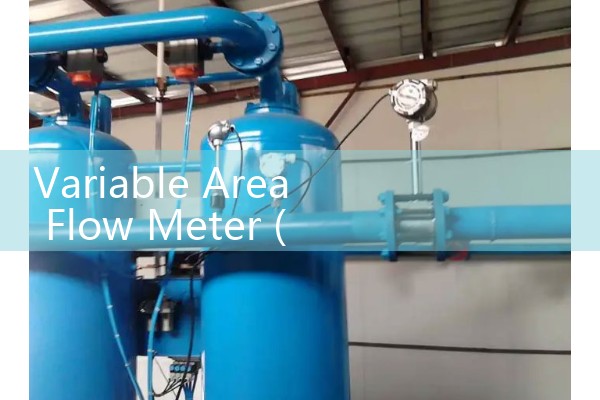
A fish processing plant in Namibia uses 14 glass tube rotameters on brine injection lines. The environment is wet, saline, and vibration is constant. Operators read the float position through a quick glass panel inspection every 2 hours. Repair is a five-minute job with a spare O-ring kit.
When You Should Not Use a Rotameter
High pressure gas applications above 20 bar. Pulsating flow from a diaphragm pump. Anything that passes through a closed-loop PID controller. A flow meter that cannot give 4-20 mA feedback makes automatic control impossible. We have seen this on customer sites many times. Some users install an add-on magnetic follower and a transmitter, but the resolution is poor. By the time you add the accessories, a digital vortex meter or a thermal mass flow meter for compressed air costs the same and works far better.
Dosing sodium hypochlorite at 12.5% concentration is another problem. The float and internals of a rotameter must resist chemical oxidation. Hastelloy C276 wetted parts push the price above USD 900. A small ultrasonic flow meter with PVDF body often costs less and gives pulse output for batch control.
Direct Cost Comparison for a Typical Skid
Build a water treatment skid with three measurement points: raw water inlet DN80, CIP return DN50, and product water DN25. Three metal tube rotameters with local indicators cost about USD 2100. Three electromagnetic flow meters with compact design and 4-20 mA output cost about USD 3200. The digital package lets the plant monitor CIP timing and water consumption ratio automatically. The extra USD 1100 typically saves 7000 kilolitres of water per year for a mid-size dairy. Payback is just under 7 months.
FAQ
Can a rotameter send a 4-20 mA signal?
Yes, with an optional magneto-resistive sensor and a 2-wire transmitter. The accuracy of the electrical output is no better than the mechanical meter, normally ±3% FS. We only recommend it for remote indication where signal quality is not critical.
What pipe sizes fit rotameters best?
DN10 through DN80 are standard. Glass tube rotameters above DN80 are fragile and heavy. If your line is DN125 or larger, switch to an insertion-style electromagnetic or thermal mass flow meter.
Do rotameters work with hot water above 90 °C?
Only metal tube rotameters with ceramic floats can handle 120 °C at moderate pressure. Glass tubes risk thermal shock if the temperature changes too fast. Always check the tube material temperature limit before ordering. Send us your pressure, temperature, and fluid type, and we will confirm the right model. Reach Silver Automation Instruments at [email protected] or WhatsApp +86-25-52155837.
Which meter works for fuel oil measurement under 50 cP?
Oval gear flow meters are often better than rotameters for fuel oils because they maintain 0.5% accuracy regardless of viscosity changes. We supply oval gear meters with pulse or 4-20 mA outputs for diesel and heavy fuel oil lines. Ask our team for a dimension drawing: [email protected] or call +86-25-68650347.
How do I decide between electromagnetic and Coriolis for chemical batching?
If conductivity stays above 5 µS/cm, electromagnetic is simpler and cheaper. When conductivity drops (e.g., solvents, ultrapure water) or you need direct mass in kg/h, choose a Coriolis meter. Tell us your fluid conductivity, required accuracy, and mass or volumetric target. We recommend specific models daily. Contact Silver Automation Instruments at [email protected] or WeChat +86 15365082610.
 Hot Blog
 Related AD