

『Gasoline Flow Meter 100 L/h In-Line Additive Blending Controls』Related information(flow rotameter|digital flow meter|balo meter|hydraulic flow meter|volumetric meter|positive displacement meter|pitot tube flow meter|displacement meter|cfm meter|variable area flow meter|inline flow meter|differential pressure flow meter|calibrated flow meter|velocity meter|paddle wheel flow meter|oval gear flow meter|anemometer hvac|multiphase flow meter|doppler flow meter|thorpe tube flowmeter|heat flow meter)
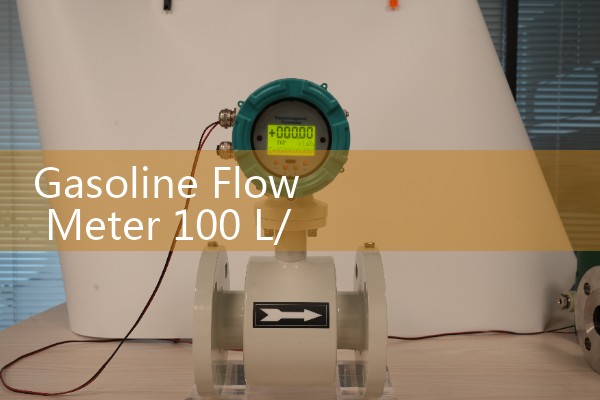
Gasoline Flow Meter 100 L/h for In-Line Additive Blending Controls
Quick Answer: A 100 L/h gasoline flow meter with in‑line additive blending control is typically a positive displacement oval gear meter or a Coriolis mass meter. Silver Instruments supplies both types with 4‑20 mA HART output and ATEX Zone 1 approvals. For a DN15 pipe, an oval gear meter rated at 100 L/h offers repeatability of ±0.1% and works well with automotive fuel additive dosing systems.
Many fuel blending operators in Southeast Asia and the Middle East ask for a reliable 100 L/h flow meter. Their goal is simple. They need to inject a precise amount of detergent, anti‑knock agent, or lubricity improver into a gasoline stream. The injection pump works between 10 bar and 30 bar. The flow meter sits right after the additive tank. A PLC reads the pulse output and adjusts the dosing pump speed. This is not a lab experiment. It is daily operations in a fuel terminal in Vietnam or a lubricant blending plant in Nigeria.
Why 100 L/h Is a Common Flow Rate for Additive Dosing
In‑line additive blending for gasoline rarely exceeds 100 litres per hour per additive stream. Most dosing skids handle flows from 20 L/h up to 150 L/h. A 100 L/h meter covers the sweet spot. It gives enough turndown to run from 10 % to 100 % of full scale without losing accuracy. Engineers prefer a meter that reads accurately even at 10 L/h because start‑up and flush cycles run slow. An oval gear meter from our OG series handles turndown of 10:1 easily. The meter body is cast iron or stainless steel. For gasoline with ethanol content up to 10 %, we recommend stainless steel internals and FKM seals.
What Meter Technology Fits Gasoline and Additive Fluids
Positive displacement oval gear meters are the first choice for many additive blending panels. They measure volume directly and do not need straight pipe runs. The viscosity of gasoline is low, around 0.6 cP at 20 °C. Additive fluids can vary from 1 cP to over 50 cP. Oval gear meters handle this range with stable K‑factor. Coriolis mass meters from our CMF‑D series also perform well. They give mass flow in kg/h and density in kg/m³. However, for a 100 L/h gasoline flow, a Coriolis meter is often oversized. A Coriolis meter with DN3 or DN6 tube diameter can measure 0–100 kg/h with ±0.2% accuracy. In practice, many OEMs choose the oval gear solution because it costs less and works with simple 24 V DC pulse input cards.
In‑Line Installation on DN15 and DN20 Pipes
Most 100 L/h dosing loops use DN15 or DN20 pipe. The meter connects via threaded process connections, often BSP or NPT. Silver Instruments provides 1/2 inch or 3/4 inch threads as standard. The meter installs directly in the additive line after the non‑return valve. No bypass line is needed. We have seen a common mistake on customer sites: the meter is placed too close to the dosing pump discharge without a pulsation dampener. This causes irregular flow and measurement spikes. Our application engineers always ask about pump type. For piston or diaphragm pumps, we recommend a small pulsation dampener upstream of the meter. The pressure drop across a 100 L/h oval gear meter at full flow is typically below 0.2 bar. That low pressure loss matters when the additive tank blanket pressure is only 0.5 bar.
Output Signals and Blending Controller Connection
A basic 100 L/h flow meter for blending control needs a pulse output. Most PLC and dedicated blending controllers count pulses per second to calculate instantaneous flow rate. Our standard meter comes with a reed switch or Hall effect sensor generating 100 to 1000 pulses per litre. For high‑resolution batching, choose the 1000 ppl option. The meter also offers a 4‑20 mA HART signal from an integral transmitter. A paint manufacturer in Indonesia recently upgraded their additive skid. They used our OG‑M‑100 oval gear meter with 4‑20 mA HART and integrated PT100 temperature sensor. The HART signal let them read flow rate and fluid temperature from one pair of wires. They wired it to a Siemens PLC and adjusted dosing in real time based on fuel temperature. T
ATEX and Hazardous Area Compliance
Gasoline blending areas are often classified as Zone 1 or Zone 2. The flow meter and sensor must carry ATEX or IECEx certification. Silver Instruments supplies flow meters with ATEX Ex ia IIC T6 certification for the sensor circuit. The meter body itself does not store electrical energy, so it is classified as a simple apparatus. We also offer Ex d junction boxes for the pulse transmitter in Zone 1 locations. When you request a quote, tell us if the additive is conductive or non‑conductive and if the area classification follows IEC 60079‑10‑1. This information helps us select the right cable entry and grounding method.
Field Example: Fuel Additive Skid in the Philippines
Last year, a fuel additive distributor in the Philippines contacted us. They needed ten flow meters rated at 100 L/h for a gasoline detergent blending skid. The fluid was a polyether amine dissolved in aromatic solvent. Viscosity was 2.1 cP at 25 °C. Operating pressure was 12 bar. They used a progressive cavity pump with a VFD. The challenge was that the additive foamed slightly. Foam caused air pockets in the meter and made the pulse signal erratic. We worked with their engineer to relocate the meter 500 mm above the pump discharge and added a small air release valve upstream. After that change, the meter read stable with less than 0.5 % deviation batch after batch. They now order this same meter configuration for all new skids.
Integration with SCADA and Remote Diagnostics
For larger blending facilities, we recommend a meter with Modbus RTU or HART multidrop capability. This allows the control room to read instantaneous flow, totalised volume, and diagnostic status. Our CMF‑D Coriolis meter with 100 kg/h capacity provides density measurement as a bonus. A change in density often signals wrong additive batch or contamination. We have seen a lubricant blending plant in Saudi Arabia detect a diesel cross‑contamination event within minutes because the density reading dropped 2 kg/m³ below normal. That early warning saved a 20,000‑litre production batch.
FAQ: 100 L/h Gasoline Flow Meter for Additive Blending
1. Can an oval gear meter measure gasoline with ethanol blends?
Yes. For gasoline with up to 10 % ethanol, select stainless steel measuring gears and FKM O‑rings. Avoid aluminium bodies because ethanol can corrode aluminium over time. We recommend 316L stainless steel housing if the additive contains methanol.
2. What is the typical accuracy at 10 % of full flow?
Our OG series maintains ±0.5 % of reading down to 10 L/h when calibrated for 100 L/h full scale. For tighter accuracy at low flow, a Coriolis meter with 0‑100 kg/h range can achieve ±0.2 % of reading from 5 kg/h to 100 kg/h.
3. Do I need a flow straightener upstream of an oval gear meter?
No. Oval gear meters do not need straight pipe runs. Install them with a simple upstream strainer (100 mesh) to catch particles larger than 0.15 mm. That protects the gears from scoring.
4. How do I integrate the meter with a PLC blending program?
Connect the pulse output to a high‑speed counter input on the PLC. Set the K‑factor (pulses per litre) in the PLC logic. Most blending controllers accept 0‑10 kHz pulse. Our meter with 1000 ppl gives 27.8 Hz at 100 L/h, well within the range.
5. What spare parts should I keep for a 100 L/h oval gear meter used with gasoline?
Keep one set of gears, two shaft bearings, and a seal kit. For continuous 24/7 operation, replace the bearings every 12 months. The gear set can last 24 months if the fluid is clean and lubricity is sufficient.
Get a quote or ask an application question. Send us your additive fluid name, viscosity in cP, operating temperature in °C, pipe size (DN), and required flow range. Our engineers will recommend a 100 L/h gasoline flow meter with the right materials, output signal, and hazardous area certification. Visit our oval gear meter for fuel page or email the technical team directly with your process data.
 Hot Blog
 Related AD