

『Digital Argon Flow Meter: TIG Welding Cylinder Gas Totalizing Regulators』Related information(flow rotameter|digital flow meter|balo meter|hydraulic flow meter|volumetric meter|positive displacement meter|pitot tube flow meter|displacement meter|cfm meter|variable area flow meter|inline flow meter|differential pressure flow meter|calibrated flow meter|velocity meter|paddle wheel flow meter|oval gear flow meter|anemometer hvac|multiphase flow meter|doppler flow meter|thorpe tube flowmeter|heat flow meter)
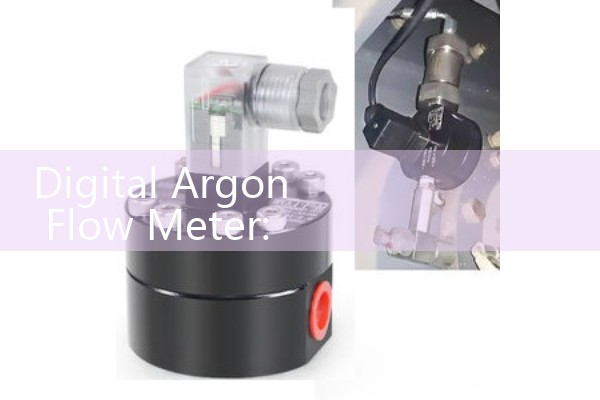
Digital Argon Flow Meter: TIG Welding Cylinder Gas Totalizing Regulators
Quick Answer: A digital argon flow meter with a totalizing regulator gives you real-time gas flow in L/min plus total argon use from each TIG welding cylinder. It helps welders set repeatable shielding gas flow and lets workshop managers track use by station or job. For a quote from Silver Automation Instruments, send your flow range (L/min), downstream pressure (bar), temperature (°C), and connection size (DN or cylinder standard).
What Is a Digital Argon Flow Meter with Totalizing Regulator?
For TIG welding, argon flow is normally set between 5 and 15 L/min at the torch. A digital argon flow meter sits after the cylinder pressure regulator and before the torch gas hose. It measures actual flow through a small sensor, not just downstream pressure. Because gas density changes with temperature and pressure, a direct digital flow reading is more reliable than a glass tube estimate. The totalizer stores both a resettable batch total and a non-resettable cumulative total. On many sites this helps workshop managers match cylinder consumption to specific work orders.
Silver Instruments offers digital argon flow meters with a totalizing regulator function in two common flow ranges. The SAFM-ARG-20 covers 1 to 20 L/min for small and medium TIG torches. The SAFM-ARG-30 covers 2.5 to 30 L/min for larger cups, trailing shields, and purge setups. Accuracy is ±1.5 percent of full scale or better depending on the sensor type. The display shows real-time flow, total flow, and sometimes gas temperature. We have seen this used by a steel fabricator in Vietnam that runs two TIG stations side by side. They reduced shielding gas purchases after spotting a leak on one station through the daily totalizer reading.
Why TIG Welding Shops Need Totalizing Gas Regulators
Most welding shops know their cylinder pressure but not their actual gas consumption. Pressure drops with temperature, so a pressure gauge can mislead you during morning and afternoon shift changes. A totalizing regulator removes that guesswork. It records volume directly. If a welder changes pre-flow from 2 seconds to 6 seconds, the daily total moves. If a hose fitting leaks overnight, the totalizer shows an idle flow loss. In Southeast Asia, many small fabrication yards rent argon cylinders from local gas distributors. They often pay demurrage or cylinder rental per week. Reducing one cylinder per month can cover the cost of a digital flow meter quickly.
A shipyard in the Philippines fitted digital totalizing regulators on 12 TIG stations. Before that, each cylinder lasted about 16 production hours. After the change, the same cylinder type lasted 21 hours because the supervisor set a maximum purge flow. The actual numbers will vary with your torch size and joint type. You need a measured baseline before you can manage gas cost. Offshore pipeline contractors in the Middle East use similar totalizing meters to allocate gas cost by weld joint.
Key Specs to Check Before You Ask for a Quote
Start with flow range. For most TIG work, 1 to 20 L/min is enough. If you weld thick aluminum or use large gas lenses, choose 2.5 to 30 L/min. Check the inlet pressure rating. Cylinder pressure is often 150 to 200 bar before the primary regulator. The digital flow meter should be installed downstream of that regulator where pressure is normally 1 to 10 bar. Confirm the
Look at the totalizer function. It should offer both batch total and cumulative total. Batch total is useful for one job or one cylinder. Cumulative total helps for monthly cost tracking. Ask about pulse output or 4-20 mA output if you want the signal to go to a PLC or a paperless recorder. Silver Instruments supports 4-20 mA HART on several of its industrial gas flow meters. Ingress protection of IP65 is enough for most workshops. If the meter will be used near salt air or on a ship deck, ask for stainless steel housing. For inline meters, DN15 or DN20 connections are common for argon gas lines.
Installation Notes for Cylinder Gas Lines
Install the digital argon flow meter after the cylinder pressure regulator and before the torch solenoid valve. Keep the flow path clean. Use only argon-compatible thread sealant. Do not apply oil or general-purpose grease. Leak check with a soap solution at each joint. A small leak of 0.5 L/min can stay silent but wastes about 720 liters per day. Because argon is heavier than air, avoid mounting the display in a pit without ventilation. In practice, most welding shops mount the unit on the cylinder trolley or on a wall bracket. Most engineers skip this part on the first install and then find the display reading is hard to see. Mount the meter so the welder can read it without stooping.
How to Order from Silver Automation Instruments
For a fast quote, send us these data points. Your required gas flow range in L/min. Your downstream pressure in bar. Your temperature in degrees Celsius. Your connection size in DN or cylinder standard such as CGA 580, DIN 477, or BS 341. Your display power preference, battery or 24 V DC. And whether you need a 4-20 mA or pulse output for remote monitoring. If your range is not fixed, ask for the SAFM-ARG-20 or SAFM-ARG-30 series. Send these details to Silver Automation Instruments by email or WhatsApp. The sales team can suggest a model and a current price. Tel: +86-25-68650347. Whatsapp: +86-25-52155837. WeChat: +86 15365082610.
FAQ: Digital Argon Flow Meter and TIG Gas Totalizing Regulators
What flow range do I need for TIG welding? Most manual TIG work uses 7 to 15 L/min at the torch. Larger cups and trailing shields may need up to 25 L/min. Start with a meter range of 1 to 20 L/min for general work.
Will this meter work with pure argon and argon helium mixes? Yes if the wetted parts are brass or 316 stainless steel with PTFE seals. Check your gas mix first. Helium mixes have different thermal conductivity and may require a correction factor.
Does the totalizer reset after each cylinder change? The batch total can be reset by the operator. The cumulative total is usually non-resettable. That gives you a daily or per-job number plus a permanent monthly record.
What is the lead time for orders to Southeast Asia? Standard models ship within 5 to 10 working days depending on the range and output option. Custom stainless steel versions may take 15 to 20 working days.
Can I connect the meter output to a PLC or paperless recorder? Yes. Silver Instruments offers optional pulse output, 4-20 mA, or 4-20 mA HART. Send us your PLC input type and we will match the output board.
 Hot News
 Related AD