

『Medical Flow Meter: Oxygen and Nitrous Oxide Regulators for Clinical Patient Use』Related information(flow rotameter|digital flow meter|balo meter|hydraulic flow meter|volumetric meter|positive displacement meter|pitot tube flow meter|displacement meter|cfm meter|variable area flow meter|inline flow meter|differential pressure flow meter|calibrated flow meter|velocity meter|paddle wheel flow meter|oval gear flow meter|anemometer hvac|multiphase flow meter|doppler flow meter|thorpe tube flowmeter|heat flow meter)
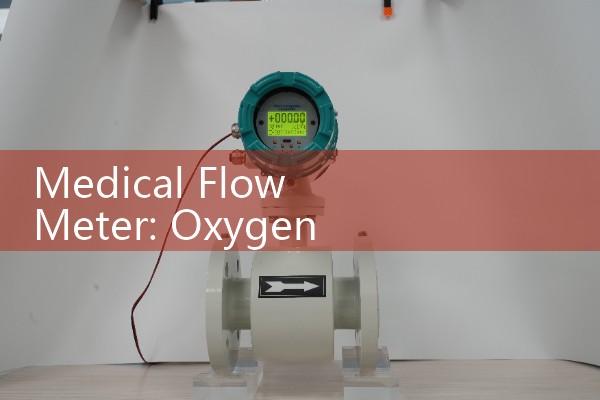
Medical Flow Meter: Oxygen and Nitrous Oxide Regulators for Clinical Patient Use
Oxygen and nitrous oxide regulators with integrated flow meters are critical for delivering the correct gas concentration to patients during anaesthesia, labour, or emergency care. A clinical regulator must maintain a constant flow despite upstream pressure swings, and a direct reading flow tube or digital display helps clinicians avoid dose errors. At Silver Automation Instruments, we provide precision gas flow sensors and regulator components that help medical device manufacturers build safe, repeatable systems.
Why Flow Accuracy in Medical Gas Regulators Saves Lives
Even a 0.5 L/min error in oxygen delivery can desaturate a neonate within seconds. Adult anaesthesia circuits running a 70 percent N2O and 30 percent O2 blend rely on back pressure compensated regulators. If the regulator flow drops during a deep breath cycle, the patient receives less anaesthetic agent. We have seen customer prototypes where a spring-loaded poppet valve without thermal compensation drifted by 10 percent after 2 hours of continuous use. That is why medical OEMs now specify inline mass flow measurement at the regulator output, not just simple float-type tubes.
In practice, a paramedic changing a portable O2 cylinder wants a compact regulator that reads true flow in L/min, not just a pressure gauge. A Silver Instruments thermal mass flow element integrated downstream of the regulator gives the actual mass flow rate, independent of temperature up to 40 degrees C and inlet pressure from 4 to 10 bar. This direct mass flow method removes the guesswork.
Key Features of a Reliable Oxygen or Nitrous Oxide Regulator
When you specify a regulator for clinical patient use, look for these attributes. First material compatibility: brass bodies with nickel plating and EPDM or silicone seals are common for oxygen service because they resist ignition in a high pressure oxygen environment. For nitrous oxide, similar materials work, but you must avoid greases and oils that can explode under adiabatic compression. All wetted parts should be cleaned per ASTM G93 level C.
A precise flow adjustment knob with a linear response from 0.5 to 15 L/min for oxygen, or 0 to 10 L/min for N2O, helps the therapist set the flow without overshoot. The flow element itself, whether a variable area float or a digital thermal sensor, should have a resolution of 0.1 L/min at the low end. A shock resistant polycarbonate outer cover keeps the flow tube intact when a cylinder tips over. For N2O regulators used in dental clinics, a demand valve that opens on patient inhalation is typical.
How Silver Automation Instruments Supports Medical Device OEMs
Silver Automation Instruments does not sell finished regulators to hospitals. We supply the precision flow measurement modules to manufacturers who build the final medical device. Our thermal mass flow sensors, originally designed for industrial gas dosing in the food and chemical sectors, are now adapted for medical oxygen and nitrous oxide measurement under ISO 13485 guidelines. The sensor element is a platinum RTD thin film with a heated reference, providing a direct mass flow output in standard litres per minute.
Because the sensor has no moving parts, it survives vibration during ambulance transport. We also offer differential pressure based laminar flow elements with a 4-20 mA HART output for ventilator flow loops. A recent project with a client in Mexico involved a flow body with a DN8 inlet and a 0 to 100 SLPM range for their
Typical Specifications for a Clinical Flow Meter Module
Here are numbers engineers ask for. Range: 0 to 20 L/min for oxygen, 0 to 15 L/min for N2O. Accuracy: plus or minus 1.5 percent of full scale at 25 degrees C, including temperature compensation from 10 to 50 degrees C. Response time: under 50 milliseconds to 63 percent of final value. Wetted materials: 316L stainless steel and FFKM O-rings for O2 service. Output signal: 0 to 5 VDC or 4-20 mA, or digital RS485 Modbus RTU. Power: 8 to 24 VDC, under 1 watt. Inlet pressure rating: up to 200 bar with a pressure reducing stage built into the customer manifold.
Selecting a Regulator Flow Configuration for Your Application
Most clinical setups use a yoke style connection for small cylinders. The regulator body then branches to a flow meter and a low pressure outlet. If your application is a pipeline supply at 4 bar, a simple flow meter without a pressure reducer may suffice. In a neonatal ICU, we recommend a dual channel flow meter module that measures both oxygen and medical air independently, then compares the blend ratio in real time. For field use in Papua New Guinea or remote parts of Australia, a battery powered digital flow meter with a local display allows a health worker to read the flow without parallax errors common in glass tube meters.
FAQ
What is the difference between a pressure regulator and a flow meter for medical oxygen? A pressure regulator reduces high cylinder pressure to a working level, usually 4 bar, while a flow meter controls and displays the actual gas flow rate to the patient. A combined regulator flow meter does both and is common on portable O2 kits.
Can one regulator handle both oxygen and nitrous oxide? No. Due to different chemical properties and safety requirements, each gas needs a dedicated regulator body, cleaning process, and connection standard (e.g., O2 uses a different pin index than N2O). Never interchange them.
How often should a clinical flow meter be calibrated? In hospital use, annual recalibration is typical. For high volume theatres, we suggest a 6 month check. Our sensor modules support field calibration with a reference flow standard and a zero offset adjustment via Modbus.
What flow accuracy is achievable with a thermal mass sensor compared to a variable area float? A thermal mass flow sensor from Silver Instruments reaches plus or minus 1.0 percent of reading, while a standard float type often achieves only plus or minus 4 percent of full scale. The thermal sensor also provides an electronic signal for data logging.
Do you supply flow meter modules for veterinary anaesthesia? Yes. The gas flow requirements for small animals are different, typically 0 to 5 L/min for oxygen and 0 to 3 L/min for N2O. We can scale the sensor range and provide a lower flow calibration curve. Contact us with your animal weight range and gas mix.
Send Your Specs for a Clinical Flow Meter Module
If you design medical gas delivery systems and need a repeatable flow measurement solution, tell us your requirements. Email [email protected] or call Tel: +86-135-1213-1526. For instant chat, use WhatsApp at 86-135-12131526 or WeChat ID: +86 13512131526. In your message, include the gas type (O2, N2O, medical air), full scale flow range in L/min, inlet pressure in bar, outlet connection type, and required output signal. We will return a proposal with a datasheet within 24 hours.
 Hot News
 Related AD