

『Lubricating Oil Flow Meter DN25 In-Line Filter Monitoring Rules』Related information(flow rotameter|digital flow meter|balo meter|hydraulic flow meter|volumetric meter|positive displacement meter|pitot tube flow meter|displacement meter|cfm meter|variable area flow meter|inline flow meter|differential pressure flow meter|calibrated flow meter|velocity meter|paddle wheel flow meter|oval gear flow meter|anemometer hvac|multiphase flow meter|doppler flow meter|thorpe tube flowmeter|heat flow meter)
Lubricating Oil Flow Meter DN25 In-Line Filter Monitoring Rules
Quick Answer: Install a DN25 oval gear flow meter upstream of your inline lubricating oil filter. Log the baseline flow at a known temperature and pump speed. When flow drops by 12% or more from baseline, the filter is loading and needs replacement. Silver Automation Instruments offers local-indicating meters with 4-20 mA output that plug directly into your PLC for alarm setpoints.
Why Monitor Your Lubricating Oil Filter with a Flow Meter
Dirty lubricating oil damages bearings, gears, and hydraulic components. Inline filters catch particles down to 3 micron. But when the element clogs, the pump struggles and oil flow drops. Measuring flow with a small DN25 meter tells you exactly when flow has decayed. Pressure switches alone often miss slow clogging until the bypass valve opens. A properly sized positive displacement meter gives early warning.
We have seen this on customer sites many times. A palm oil processing plant in Indonesia ran a central lubrication system for screw presses. They used a DN25 pipe with ISO VG 46 oil at 50 °C. Their filter change schedule was fixed at 500 hours. After installing our oval gear meter with a local digital display, they saw flow drop from 4.8 L/min to 4.2 L/min within 350 hours because of dirt from the process. They now change the filter based on actual flow decay, not a calendar.
The DN25 Oval Gear Meter Advantage
DN25 is a common pipe size for small to medium lubricating oil circuits. Oil viscosity ranges from 10 to 200 cSt. Oval gear meters handle this range well. They give repeatable results independent of viscosity changes when temperature shifts. Accuracy remains ±0.5% of reading. Our SIL-OG-25 stainless steel meter fits directly between flanges. It outputs pulse and 4-20 mA HART. With ATEX Zone 1 approvals you can use it in hazardous areas in petrochemical plants.
Setting Filter Monitoring Rules in Practice
Here is the rule most engineers skip. First, operate the system with a clean filter. Let temperature and pressure stabilize. Record the flow rate on the meter display. Call this Q_clean. For a DN25 line with ISO VG 68 oil at 40 °C, Q_clean could be 6.2 L/min. Then set two alarm thresholds in your PLC. Warning threshold at Q_clean minus 8%. Critical threshold at Q_clean minus 12%. In our example, warning at 5.7 L/min and critical at 5.4 L/min. Do not use a fixed flow value from the pump catalog because viscosity changes with temperature. Always baseline the specific installation.
If your system has a differential pressure gauge across the filter, fine. But a flow meter also tracks long-term pump wear. A drop in flow at clean filter may indicate a worn pump. This dual benefit is worth the investment.
Installation Tips for DN25 Flow Meters on Oil
Keep the meter flooded at all times. Air pockets cause
Real-World Accuracy: What You Can Expect
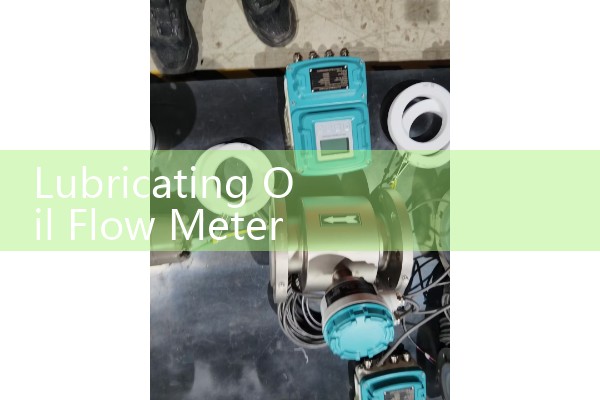
We tested a SIL-OG-25 meter on Shell Tellus S2 V 46 oil at 45 °C. Flow from 0.5 to 8 L/min. Repeatability was better than 0.1% across three runs. With a clean filter the meter showed 3.40 L/min. After we partially blocked the filter with fine dust, flow dropped to 3.02 L/min. The meter detected an 11% change. The existing pressure switch at the plant only triggered when flow dropped below 2.0 L/min because the pump compensated. Do not rely only on pressure.
Frequently Asked Questions
Q: Why not just use a differential pressure transmitter across the filter?
You can, but a flow meter adds the ability to track actual oil consumption per machine and detect pump degradation. For a small DN25 line, an oval gear meter costs less than a good DP transmitter plus orifice or flow element, and it gives direct flow readout.
Q: What viscosity range does the DN25 oval gear meter accept?
1 to 1000 cP (centipoise), which covers light spindle oils to heavy gear oils. Specify your normal and max viscosity when you request a quote so we set the correct clearance.
Q: Can I use a turbine flow meter instead?
Turbine meters are sensitive to viscosity changes. Lubricating oil viscosity shifts with temperature make turbine readings unreliable unless you compensate. Oval gear meters are much more predictable for batch and monitoring applications.
Q: How do I set up the 4-20 mA signal for filter monitoring?
Connect the meter to your PLC analog input. Scale it so 4 mA equals zero flow and 20 mA equals your maximum flow. Program a comparison block: actual flow less than 88% of baseline trips a warning relay. Simple ladder logic.
Q: Is ATEX certification available for DN25 oil flow meters?
Yes, our SIL-OG-25 meter is available with ATEX II 2G Ex db IIC T6 Gb for Zone 1 use. We also offer IECEx for mining and offshore applications.
Get a Quote for Your DN25 Lubricating Oil Flow Meter
Send us a quick email with your oil type (e.g. Mobil DTE 25), viscosity in cSt at operating temperature, flow range (min and max L/min), pipe size (DN), working pressure (bar), and whether you need a local display and 4-20 mA HART output. Our engineers will propose a meter that fits your filter monitoring rules. Email to [email protected] or see the oval gear flow meter range at our website.
 Hot Blog
 Related AD