

 Current position > Product detail
『Differential Pressure Flow Meter Advantages and Disadvantages: Industrial System Selection Guide』Related information(flow rotameter|digital flow meter|balo meter|hydraulic flow meter|volumetric meter|positive displacement meter|pitot tube flow meter|displacement meter|cfm meter|variable area flow meter|inline flow meter|differential pressure flow meter|calibrated flow meter|velocity meter|paddle wheel flow meter|oval gear flow meter|anemometer hvac|multiphase flow meter|doppler flow meter|thorpe tube flowmeter|heat flow meter)

Differential Pressure Flow Meter Advantages and Disadvantages: Industrial System Selection Guide
Quick Answer
A differential pressure flow meter uses a primary element like an orifice plate, Venturi tube, or wedge to create a pressure drop. The DP transmitter converts that pressure drop into a flow rate. DP flow meters suit high pressure steam, clean gas, and high temperature liquid lines up to 400 °C. Their main limits are rangeability, impulse line maintenance, and accuracy drift on dirty fluids.
How a Differential Pressure Flow Meter Works in an Industrial System
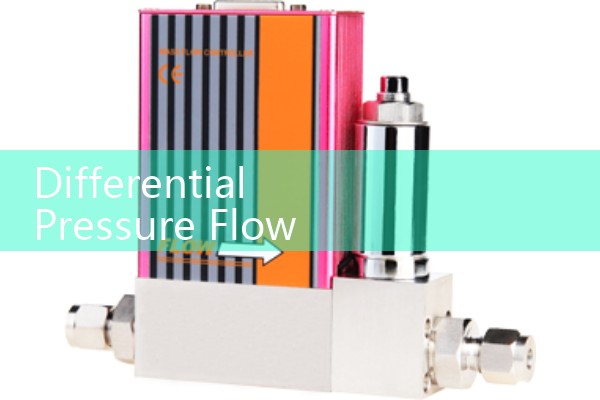
The meter has two parts. A primary element sits in the pipe. It can be an orifice plate, a Venturi tube, a flow nozzle, a Pitot tube, or a wedge. The element creates a pressure difference between the upstream and downstream taps. A DP transmitter measures this pressure difference. The flow rate is proportional to the square root of the differential pressure. For example, a 50 mm gas line at 10 bar might produce a DP range of 0 to 25 kPa. The transmitter sends a 4-20 mA HART signal to a flow computer or PLC. Some systems use a multivariable transmitter to compensate pressure and temperature. That gives mass flow in kg/h for steam or natural gas.
Core Advantages of Differential Pressure Flow Meters
DP flow meters work in conditions that stop other meter types. They handle pipe sizes from DN15 to DN1200 and larger. Standard orifice plates and DP transmitters cost less for large pipe lines than Coriolis or ultrasonic meters. A 250 mm steam line at 18 bar and 320 °C is a normal application. There are no moving parts in the primary element. The lack of moving parts helps in high vibration and high temperature installations. Venturi tubes have low permanent pressure loss. Orifice plates are simple to inspect and replace. DP technology is covered by ISO 5167 and AGA standards. Many process engineers know the calculations and maintenance steps.
Main Disadvantages and Field Problems
DP flow meters have a limited turndown. A typical orifice plate system has 3:1 or 4:1 turndown. Flow below 25 percent of full scale gets noisy. The square root output makes low flow measurements less stable. Impulse lines are the biggest field problem. Wet gas, cold weather, and dirty liquids can plug the small tubes. Most engineers skip this part until the transmitter drifts. A desalination plant in Oman had a seawater intake DP meter with clogged impulse lines every few weeks. That is a real problem. Accuracy shifts when the primary element wears. Orifice plate edges can erode in wet steam or slurry. Installation needs enough straight run upstream and downstream. Many plants do not have space for the required 20D to 40D straight pipe. Routine maintenance includes zero checks, line draining, and transmitter calibration.
Selection Guide for DP Flow Meters in Industrial Systems
Choose a DP flow meter when the fluid is clean, the line size is DN50 or larger, and the pressure or temperature is high. Steam boiler feed water and superheated steam are good candidates. Natural gas custody transfer in remote locations often uses orifice plates with a flow computer. For dirty or viscous liquids, consider a wedge meter or a remote seal DP transmitter. For high turndown needs above 10:1, DP may not be the best choice. In that case look at Coriolis or electromagnetic meters. But for a 200 mm cooling water line at 8 bar, an electromagnetic flow meter often beats DP on total cost of ownership.
A customer in Vietnam asked us last year about a 150 mm diesel line. The fuel was clean, the pressure was 20 bar, and the temperature was 60 °C. A DP orifice system worked fine. The alternative Coriolis meter was four times the price. This is the kind of project where DP makes sense.
DP Flow Meter vs Other Flow Meter Types
Coriolis mass flow meters give direct mass flow and high accuracy to 0.1 pe
Installation and Maintenance Practices
Keep impulse lines short and sloped. For steam service, use condensate pots and fill the lines with water before startup. For gas service, slope the lines upward to the transmitter so liquid drains back into the pipe. Use a 3-valve or 5-valve manifold on every DP transmitter. This allows zero checks without removing the instrument. In cold regions, use heat tracing on impulse lines. A gas processing plant in Kazakhstan had frozen impulse lines in winter. Adding heat tracing solved it. For dirty fluids, use remote diaphragm seals with capillary tubes. For slurries, a wedge meter with remote seals is easier to maintain than orifice plates. Check the orifice plate edge for wear every 12 months. Recalibrate the DP transmitter every 12 to 24 months depending on plant standards.
Recommended DP Flow Meter Configurations
For clean dry gas, use an orifice plate with a DP transmitter and a pressure transmitter. For steam mass flow, use a multivariable DP transmitter with integrated temperature input from a PT100 RTD. The transmitter outputs 4-20 mA HART and Modbus. For hazardous areas, specify ATEX Zone 1 or IECEx certification. For high temperature up to 400 °C, use remote seals with high temperature fill fluid. For compressor discharge air at 40 bar, a flow nozzle with a DP transmitter works well. For small line sizes under DN15, DP is usually not recommended. Use a thermal mass flow meter or a Coriolis meter instead.
FAQ: Five Key Questions on Differential Pressure Flow Meters
What is the typical accuracy of a DP flow meter?
Standard orifice plate systems have 1.0 to 2.0 percent of rate after installation. Venturi and flow nozzle systems can reach 0.5 to 1.0 percent with calibration. Multivariable transmitters improve mass flow accuracy on steam and gas.
Can a DP flow meter handle dirty water or slurry?
Standard orifice plates are a poor choice for dirty or abrasive fluids. Use a wedge meter, a Venturi with purge ports, or remote seals. For wastewater, an electromagnetic flow meter is often better because it has no impulse lines.
What is the turndown of a differential pressure flow meter?
Most DP systems have 3:1 or 4:1 turndown. Some multivariable transmitters extend that to 8:1 on gas. If you need 20:1 or higher, consider Coriolis or ultrasonic.
How often does a DP flow meter need maintenance?
Check impulse lines monthly in dirty or cold service. Recalibrate the transmitter every 12 to 24 months. Inspect orifice plate edges during yearly shutdowns.
Which industries use DP flow meters the most?
Oil and gas, steam generation, chemical processing, and power plants use them a lot. They are also common in refineries and offshore platforms where high pressure gas measurement is needed.
Get a DP Flow Meter Selection from Silver Automation Instruments
We supply DP transmitters, orifice plates, Venturi tubes, flow nozzles, wedge meters, and multivariable flow computers. Tell us your fluid, pressure in bar, temperature in °C, pipe size in DN, and flow range in kg/h or m³/h. We will recommend a configuration and send a price quote. Contact Silver Automation Instruments at Tel: +86-25-68650347, Whatsapp: +86-25-52155837, WeChat: +86 15365082610. You can also send your process data through our website flow-meter.com.au.