
 Current position > Product detail
『Ultrasonic Flow Meter Calibration Services: Certified NIST Testing Labs』Related information(flow rotameter|digital flow meter|balo meter|hydraulic flow meter|volumetric meter|positive displacement meter|pitot tube flow meter|displacement meter|cfm meter|variable area flow meter|inline flow meter|differential pressure flow meter|calibrated flow meter|velocity meter|paddle wheel flow meter|oval gear flow meter|anemometer hvac|multiphase flow meter|doppler flow meter|thorpe tube flowmeter|heat flow meter)
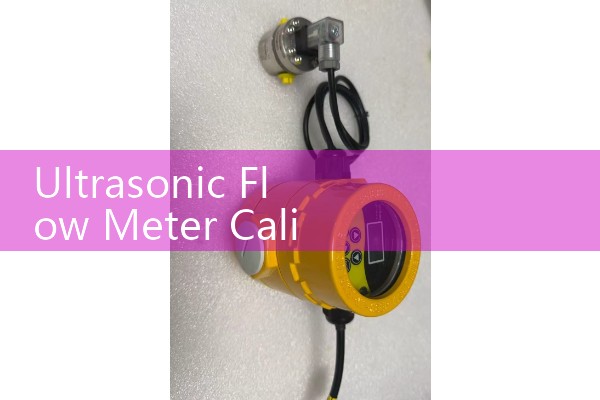
Ultrasonic Flow Meter Calibration Services: Certified NIST Traceability
Quick Answer: Silver Instruments provides factory calibration for ultrasonic flow meters with NIST traceable certificates. Every calibration runs in our controlled lab using reference standards that link directly to NIST. The report includes uncertainty, five flow points, and pass/fail criteria so you can use the meter for billing, process control, or compliance.
Why Calibration Data Is Critical for Your Operation
An ultrasonic flow meter measures flow by transit time difference or Doppler shift. Over months, the electronics, transducers, and pipe buildup cause drift. If your meter shows a 1.5 percent error, a water utility billing at 500 cubic meters per hour loses accuracy fast. In chemical dosing, even a small offset can spoil a whole batch. A food plant in Malaysia once rejected a supplier delivery because the inline meter was out of tolerance by only 2 percent. Calibration catches these shifts before they cost you product or audit failures.
NIST Traceability Explained in Plain Terms
NIST stands for the National Institute of Standards and Technology. Traceability means the calibration chain from our master reference to a NIST primary standard is unbroken and documented. Our lab uses high accuracy Coriolis master meters and gravimetric weigh tanks that are regularly calibrated by ISO 17025 accredited labs. The certificate you receive lists the reference instruments, their traceability numbers, and the measurement uncertainty. Most engineers skip the paperwork details until an auditor asks for proof. When that happens, you have the document ready.
Our In-House Calibration Rig for Ultrasonic Meters
We calibrate inline spool piece and clamp on ultrasonic meters from DN15 up to DN600. The test media is water, with temperature controlled from 10 degrees Celsius to 60 degrees Celsius. Flow range covers 0.1 meters per second to 10 meters per second. Our reference standard uses a Coriolis master meter with an uncertainty of plus minus 0.1 percent of reading, plus a gravimetric weigh tank for small lines. For larger pipe sizes, a calibrated electromagnetic flowmeter master with an active NIST chain verifies the flow. Every test runs via a PLC that logs 4-20 mA HART, pulse, and Modbus outputs. This setup replicates real process conditions and flags installation issues early.
Calibration for Clamp On and Inline Ultrasonic Flow Meters
We handle both transit time and Doppler ultrasonic meters. For clamp on types, we mount the transducers on a dedicated pipe section with known wall thickness and liner material. This keeps the acoustic coupling repeatable. Inline spool meters go into our test loop with at least 20D upstream and 10D downstream straight run, per ISO 12242. Do not send us a meter with dead transducers or heavy scale. We can often refurbish them, but calibration only makes sense when the hardware is healthy.
Recalibration Intervals and Field Checks
Here is the thing. No standard forces you to recalibrate every year. Most water utilities and chemical plants set a 12 to 24 month cycle based on their quality system. Some oil and gas operators require a check every 6 months for custody transfer. In practice, a quick field verification with a portable clamp on meter can tell if the main meter is drifting. But o
What You Get in the Calibration Certificate
Every certificate shows the meter tag, model, serial number, calibration date, and due date. The main table lists at least five flow points from Qmin to Qmax. Each point includes the reference flow rate, the meter reading, deviation in percent, and measurement uncertainty with k equals 2. We also report test fluid, temperature, pressure, and the serial numbers of our master instruments. A pass or fail statement is printed based on the specification you provide or the manufacturer published accuracy. For DN50 to DN300 meters, a typical uncertainty we achieve is plus minus 0.25 percent of reading. For smaller lines or clamp on meters, expect plus minus 0.5 percent to 1.0 percent depending on transducer type and pipe conditions.
Specific Industries That Rely on Our Calibration
A desalination plant in Saudi Arabia uses our calibrated ultrasonic meters on brine discharge lines. A pharmaceutical maker in Argentina checks water for injection loops every 18 months. A Vietnam textile factory recalibrates 15 clamp on meters annually to satisfy brand audit requirements. Across Southeast Asia, water utilities choose this service because the certificate includes both as found and as left data. This shows the drift over time and proves corrective action was taken.
How to Request a Calibration Quote
Send us the meter model, pipe size in DN, fluid type, process temperature, and flow range. If you ship a meter to our lab, include the line size and connection type, such as flange or tri clamp. For on site checks on lines above DN600, we can discuss a field visit, though lab calibration is more accurate. Reach our sales team at [email protected] or call +86-135-1213-1526. You can also message us on WhatsApp at 86-135-12131526 or WeChat at +86 13512131526. We reply with a datasheet request form and lead time within 24 hours.
Frequently Asked Questions
What does NIST traceable calibration actually mean? It means our reference standards are calibrated by labs whose instruments link directly to NIST. The chain of comparisons is documented, so your measurement agrees with international units.
Can you calibrate other brands besides Silver Instruments? Yes. We calibrate ultrasonic flow meters from Siemens, Endress plus Hauser, Fuji, Badger, and many others. The procedure remains the same.
Do you offer on site calibration for large pipes? We mainly offer lab calibration for meters up to DN600. For larger sizes, we can arrange a field check with a portable master meter, but the uncertainty will be higher. Talk to our engineers for the best option.
How often should I send my ultrasonic flow meter for recalibration? Most plants choose 12 to 24 months. If the meter is used for custody transfer, check your contract rules. We can help set a plan based on your usage and drift history.
What details do you need to give a calibration quote? Model, pipe size, fluid, temperature, pressure, flow range, and connection type. Send these to [email protected] and we will return a price and lead time quickly.